
6 common coating methods for UV printers
Although UV printers can print directly onto hundreds or even thousands of different materials, variations in surface characteristics, ink adhesion, and flexibility may cause peeling or poor adhesion on certain substrates. In these situations, a UV coating is applied to improve ink adhesion and ensure a durable printing result.
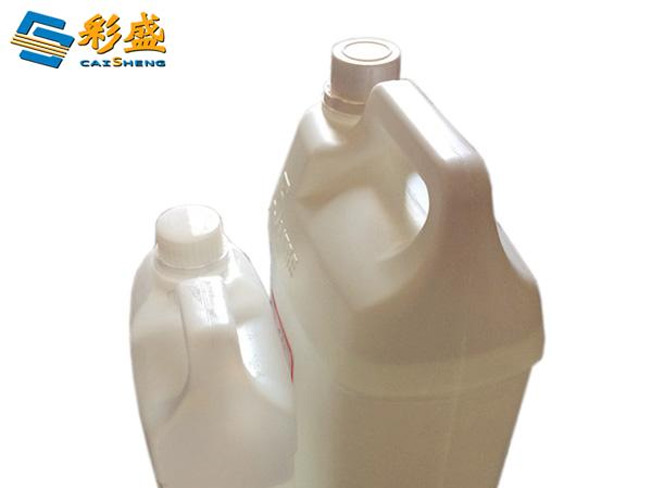
Six Common Types of UV Printer Coatings Available Today:
1. UV Printer Glass Coating
Suitable for acrylic, tempered glass, glazed ceramic tiles, crystal, and other glass-based materials that require surface treatment. Two common types are available: a fast-drying coating and a baking-type coating. The fast-drying version can be printed approximately 10 minutes after application, while the baking version requires curing in an oven before printing.
2. UV Printer PC Coating
Some rigid polycarbonate (PC) materials have relatively poor ink adhesion and require a dedicated PC coating before printing. Other PC materials can be printed directly without additional treatment. Imported PVC and acrylic sheets often benefit from applying a PC coating to improve adhesion.
3. UV Printer Metal Coating
Designed for aluminum, copper, tinplate, aluminum alloy, and similar metal materials. Transparent and white coating versions are available. The coating should be applied only to finished products and should not be used before stamping or injection molding, as this may significantly reduce its effectiveness.
4. UV Printer Leather Coating
Suitable for genuine leather, synthetic leather, PVC leather, PU leather, and similar materials. Simply apply the coating evenly to the leather surface and allow it to dry naturally before printing.
5. UV Printer ABS Coating
Suitable for wood, PVC, ABS, plaster, heavy kraft paper, acrylic, PS, PVC, and many other materials. After applying the coating evenly, allow it to dry naturally before printing.
6. UV Printer Silicone Coating
Designed specifically for silicone and rubber materials. Since these materials have relatively low surface energy, flame treatment is generally recommended before applying the coating to improve adhesion. The flame treatment process should be carefully controlled, and the coating should not be applied too thickly, as excessive thickness can make drying more difficult.
Application Guidelines:
1. Coatings often require specific mixing ratios and preparation procedures. Always follow the manufacturer's instructions when preparing and applying the coating.
2. If the coating reacts chemically with the UV ink—for example, dissolving or producing bubbles—it should be replaced with a coating that offers better compatibility.
3. Many coatings have a noticeable odor. During application, operators are advised to wear appropriate personal protective equipment such as masks and disposable gloves.
4. Different materials require different coating formulations. Do not use one type of coating for substrates that require another specialized formulation.
Coating Storage Recommendations:
1. Store the coating in a cool, well-ventilated place away from direct sunlight.
2. Always tighten the bottle cap immediately after use to prevent contamination or evaporation.
3. Do not place heavy objects on top of coating containers.
4. Avoid storing coating containers directly on the floor; instead, place them on appropriate storage shelves.
In most cases, when customers purchase a UV printer, the manufacturer will recommend suitable coatings, jigs, fixtures, varnishes, or other processing solutions based on the characteristics of the products being printed, helping customers achieve the best possible printing results.


